"The Importance of Dental Patient Education"
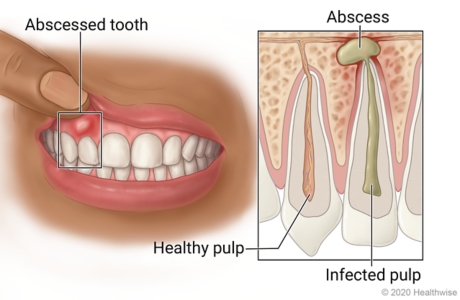
Abscessed Tooth
Treatment of an abscessed tooth An abscessed tooth is a pocket of pus, usually caused by some kind of infection and the spread of bacteria from the root of the tooth to the tissue just below or near the tooth. In general, a tooth that has become abscessed is one whose underlying pulp... (the tooth's soft core) has become infected or swollen. The pulp contains nerves, blood vessels and connective tissue, and lies within the tooth. It extends from the crown of the tooth, to the tip of the root, in the bone of the jaws. An abscessed tooth can be an extremely painful condition. In some cases, antibiotics are administered in an attempt to kill an infection. If antibiotics are ineffective and an abscess is shown to be damaging the pulp or lower bony structures, a root canal procedure may be needed to remove the dead pulp and restore the tooth to a healthy state.
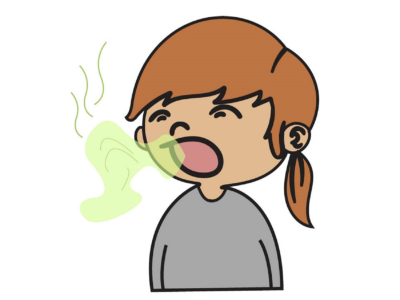
Bad Breath (halitosis)
An estimated sixty-five percent of Americans have bad breath. Over forty-million Americans have "chronic halitosis," which is persistent bad breath. Ninety percent of all halitosis is of oral, not systemic, origin. Americans spend more than $1 billion a year on over the counter halitosis products,... Bad breath is caused by a variety of factors. In most cases, it is caused by food remaining in the mouth - on the teeth, tongue, gums, and other structures, collecting bacteria. Dead and dying bacterial cells release a sulfur compound that gives your breath an unpleasant odor. Certain foods, such as garlic and onions, contribute to breath odor. Once the food is absorbed into the bloodstream, it is transferred to the lungs, here it is exhaled. Brushing, flossing and mouthwash only mask the odor. Dieters sometimes develop unpleasant breath from fasting.
">
Canker/Cold Sores
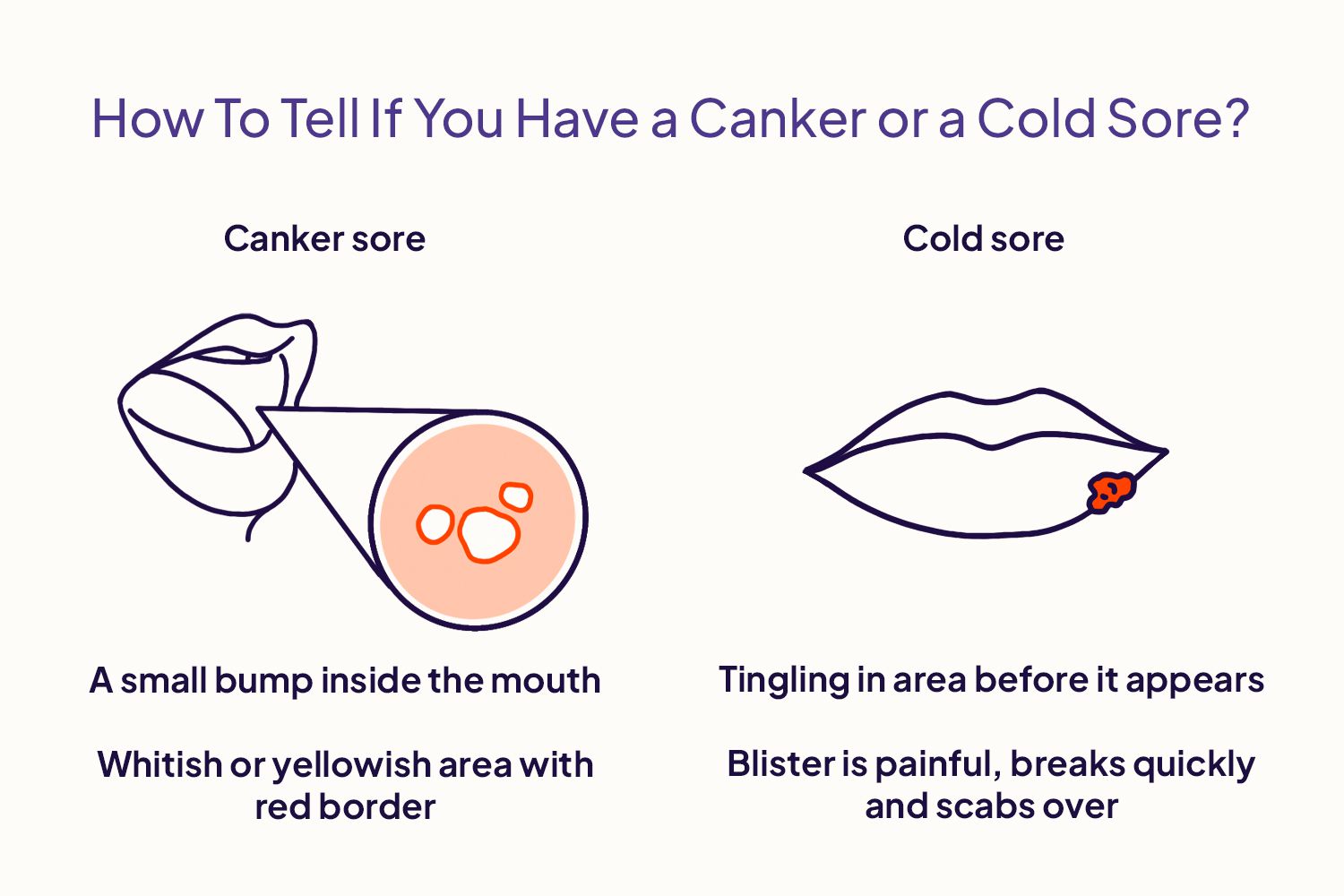
People sometimes confuse canker
sores and cold sores, but they are completely unrelated. Both can be painful, but knowing the differences can help
you keep them in check. A canker sore is typically one that occurs on the delicate tissues inside your mouth. It
is usually light-colored at its base and...
can have a red exterior border. A cold sore or fever blister, on the other hand,
usually occurs on the outside of the mouth, usually on or near the nose or lips. A cold sore
is contagious because it is caused by the herpes simplex virus, and it is usually painful
and filled with fluid.
In most cases, patience is the best medicine for treating canker sores. A healthy diet and good oral
hygiene are usually the best remedy, but some special rinses and anesthetics can help. Cold sores can be
treated effectively with some over-the-counter topical creams; sometimes, an antiviral medication will be
prescribed by your doctor.
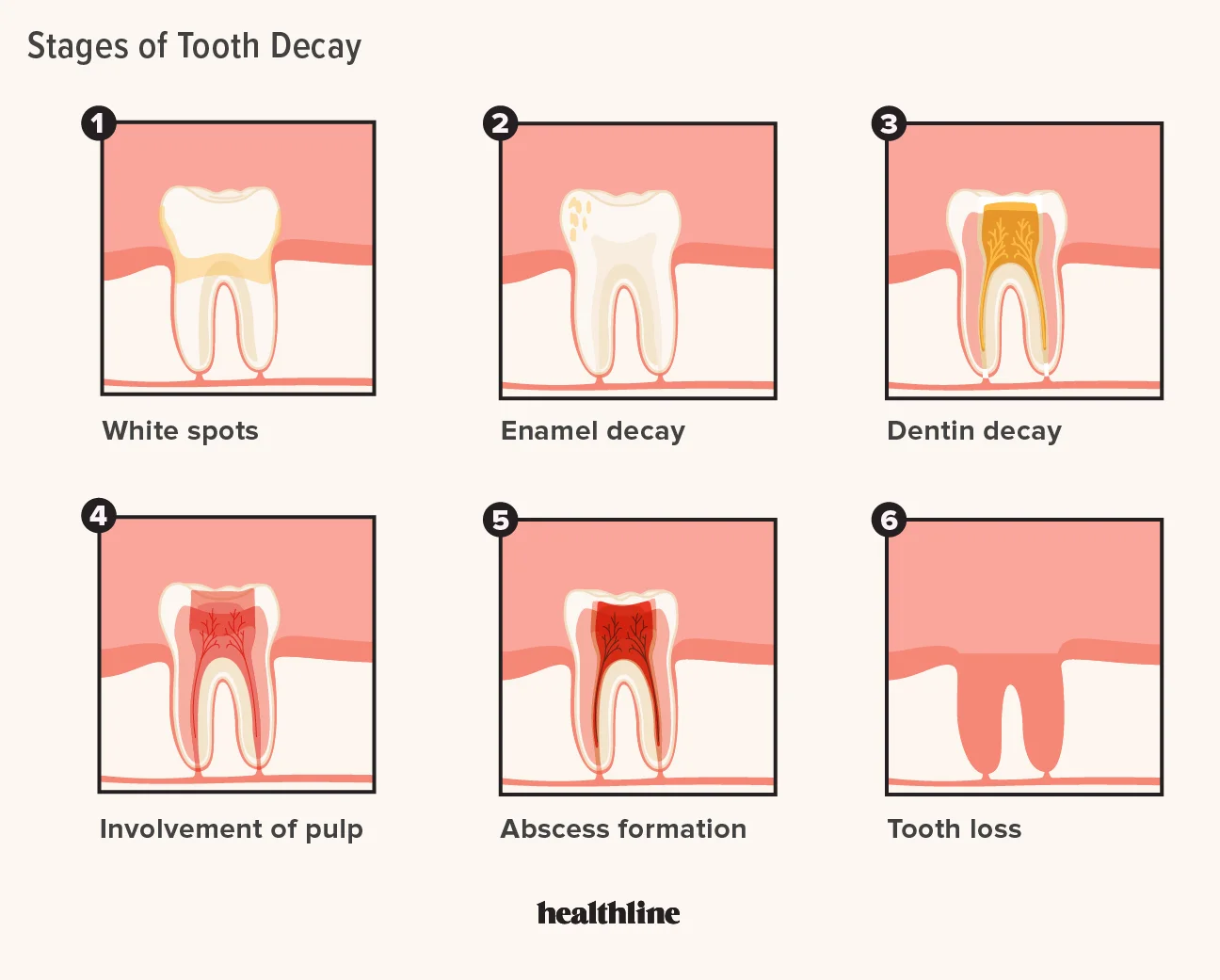
Cavities and Tooth Decay
What Is Tooth Decay? Tooth decay is caused by a variety of things; in medical terms, cavities are
called caries, which are caused by long-term destructive forces acting on tooth structures such as enamel
and the tooth's inner dentin material. These destructive forces include frequent exposure to
...
foods rich in sugar and carbohydrates. Soda, candy, ice cream—even milk—are
common culprits. Left inside your mouth from non-brushing and flossing, these materials
break down quickly, allowing bacteria to do their dirty work in the form of a harmful,
colorless sticky substance called plaque.
The plaque works in concert with leftover food particles in your mouth to form harmful
acids that destroy enamel and other tooth structures.
If cavities aren't treated early enough, they can lead to more serious problems
requiring treatments such as root canal therapy.
Improved Patient Quality of Life
Even though many oral diseases are preventable, oral health issues are prevalent among all age groups:
- 25% of children between ages 2 and 5 experience tooth decay.
- 50% of children between ages 12 and 15 experience tooth decay.
- Nearly 25% of adults between ages 20 and 64 report having untreated cavities.
- 25% of adults age 65 and older have no natural teeth left.
Dental hygiene patient education can equip people of any age to make changes to prevent disease. Avoiding oral disease increases your patients’ health, comfort and happiness, thereby improving their quality of life.
Increased Patient Trust
Patient trust is a valuable asset in all medical professions, but it is especially vital within dentistry.
The Journal of Dental Education aptly notes that a great deal of success in oral health care relies on the
patient. Prevalent oral conditions like periodontal disease and dental caries require patient-driven treatments.
If your patient doesn’t complete regular brushing, flossing and checkups, and follow a healthy diet and exercise
routine, they will be at a disadvantage when fighting oral diseases.
Taking time to thoroughly educate your patients about preventive hygiene and ways to improve their
health communicates your care to a patient. When a patient knows you have their best interests at heart,
they may be more motivated to listen to, implement and trust your advice.
How to Educate Dental Patients
When you educate your dental patients, several barriers may obstruct your effectiveness. Many patients experience fear and anxiety while at the dentist’s office. Patients also don’t want to receive a lecture or feel shamed for their oral health. These barriers can make patients feel guarded and less receptive to crucial information.
According to the Journal of Dental Education, person-centered care focuses on a partnership with the patient and their family to produce health outcomes. Some of the characteristics of person-centered care include:
- Respecting a patient’s values, preferences and needs.
- Coordinating care with the desires of family members.
- Good communication with all stakeholders in patients’ health outcomes.
- Continuity between health providers.
- Patient and family comfort with decisions.
- Physical, moral and emotional support for a patient.